
Jeep Buyback Program Requirements
To meet the Jeep buyback program requirements, the vehicle typically must have a substantial defect that the dealership or manufacturer cannot repair after a reasonable number of attempts. The problem must also occur while the Jeep is still covered under the original manufacturer’s warranty. In many states, including under the California Lemon Law, the defect must significantly affect the vehicle’s use, value, or safety. Owners usually need repair records, service invoices, and documentation showing the issue remained unresolved despite multiple repair visits.
The Lemon Pros have reviewed claims involving transmission defects, steering failures, electrical issues, and unresolved recalls across multiple Jeep models. With our practice area focused solely on lemon vehicles and car defects, we can help you get compensation for your defective Jeep. Contact us for a free case evaluation.
This comprehensive guide explains the requirements for a Jeep Lemon Law claim, the defects that may qualify, the Jeep models eligible for a buyback, and the compensation you may receive for your defective vehicle.
Table Of Contents
- What Makes a Jeep Eligible for a Lemon Law Buyback?
- The 4-Part Jeep Buyback Readiness Framework
- How Does the Jeep Buyback Process Work?
- Example of a Jeep Buyback Claim
- Which Jeep Models Are Commonly Included in Buyback Claims?
- How to Meet Jeep Buyback Program Requirements in California
- How Long Does the Jeep Buyback Process Take?
- How Much Can You Recover in a Jeep Buyback Settlement?
- How Does the Jeep Buyback Program Compare to GM and Ford?
- Is There a Deadline to File a Jeep Lemon Law Claim?
- What Common Mistakes Can Hurt a Jeep Buyback Claim?
- Need a Lemon Law Lawyer for Your Defective Jeep?
- Frequently Asked Questions
What Makes a Jeep Eligible for a Lemon Law Buyback?
A Jeep lemon law buyback may apply when major issues substantially impair a vehicle’s use, value, or safety. Under federal law, defects such as engine stalling, sudden power loss at high speeds, transmission failures, steering problems, electrical issues, airbag malfunctions, and suspension defects may qualify a Jeep for relief, while minor cosmetic issues usually do not.
To strengthen a Jeep lemon law case, the dealer or manufacturer must typically be given a reasonable number of repair attempts within the warranty period. Keeping a detailed record of repairs, rental car costs, and other incidental costs is important throughout the whole process. The Jeep warranty or extended warranty also matters because lemon laws generally only apply to defects reported during the covered period.
If approved for a Jeep buyback, owners of financed or leased vehicles may receive a full refund for the original purchase price minus a mileage deduction or other compensation, depending on the legal process and any negative equity involved. Most people begin by notifying the manufacturer in writing, often through certified mail, before they consult an attorney or pursue arbitration.
According to Car and Driver, in recent years, Stellantis and Jeep have issued recalls affecting tens of thousands of vehicles, including a 2026 recall covering 61,711 Jeep Cherokee SUVs for power transfer unit failures that could cause a sudden loss of drive power.
Several Jeep models are commonly linked to buyback claims. The Jeep Compass from 2017–2023 has been associated with transmission and electrical defects, while the Jeep Cherokee, Jeep Grand Cherokee, and Jeep Wrangler have all faced reports involving reliability problems and repeated breakdowns. Consumers can also contact the Chrysler Jeep recall helpline about recall-related claims.
The 4-Part Jeep Buyback Readiness Framework
Before starting a Jeep lemon law claim, it helps to understand the factors that often determine whether a vehicle qualifies for a buyback. Over the years, we have found that most successful Jeep buyback cases share the same core patterns involving recurring defects, repair history, warranty coverage, and dealership repair attempts. This simple framework can help owners evaluate the strength of their claim before beginning the buyback process.
- Recurring Defect: The same major issue continues returning despite dealership repairs.
- Repair Documentation: One of the most common mistakes we see is owners failing to keep complete repair documentation. We always advise clients to keep organized repair invoices, service records, and communication logs.
- Warranty Coverage: The defect first appeared while the Jeep remained under the manufacturer’s warranty.
- Reasonable Repair Attempts: The dealership had enough opportunities to repair the problem but failed to permanently fix it.
When all four factors are present, the chances of qualifying for a Jeep buyback or settlement are often significantly stronger.
How Does the Jeep Buyback Process Work?

The Jeep Lemon Law requirements allow for a buyback from the manufacturer if the vehicle qualifies. While the buyback option has been available for many years, the most notable case against the manufacturer came in 2015 when Fiat Chrysler Automobiles (FCA) agreed to a settlement with the U.S. National Highway Traffic Safety Administration (NHTSA) to buy back RAM trucks and Dodge SUVs. It was determined that FCA mishandled 23 safety recalls covering more than 11 million vehicles, which included some Jeep models as well.
It's important to understand the differences between a manufacturer's recall and a buyback. If Jeep issues a recall for a vehicle, it's because a defect was found that needs repair. Jeep owners are given a free repair or replacement, and the issue is typically fixed. A Lemon law buyback occurs because the vehicle has a significant defect that cannot be repaired, meaning the vehicle qualifies under state lemon laws, known as the Song-Beverly Consumer Warranty Act in California.
If you know how the Jeep buyback process works, then you can respond quickly to the problems with recurring flaws that require multiple repairs. While the details differ by state, most Jeep lemon law cases follow a similar pattern of repair attempts, documentation, manufacturer review, and potential compensation.
Step 1: Report the Defect to the Dealer
The process usually begins when the owner reports recurring defects to an authorized Jeep dealer. Problems that affect safety, functionality, or resale value, especially those causing repeated breakdowns or long repair delays, may qualify under laws designed to protect consumers.
Step 2: Allow Reasonable Repair Attempts
For a strong Jeep lemon law case, the manufacturer must typically be given multiple chances to fix the issue within the required time limit. In many cases, a Jeep may qualify if it has spent 30 or more cumulative days in the repair shop for unresolved defects.
Step 3: Keep Detailed Records
In our experience, owners who keep every repair invoice, service order, communication record, date, and towing receipt usually have stronger buyback claims. These documents are important evidence during the Jeep buyback review process.
Step 4: Submit a Jeep Buyback Claim
After repeated failed repairs, the owner can formally request a Jeep buyback from the manufacturer. This usually involves submitting repair documentation, proof of ownership, warranty records, and a written complaint explaining the defect history. While you can contact Jeep Customer Care on your own or file a claim through the state's consumer protection agency, you can expect more favorable and faster results with a lawyer.
Step 5: Manufacturer Review and Response
Jeep or its representatives will review the claim and decide whether the vehicle qualifies for relief. If approved, the owner may receive a full refund for the purchase price minus a mileage deduction based on usage before the first repair attempt, or a replacement vehicle.
Step 6: Complete the Resolution Process
The final stage may involve signing settlement paperwork, returning the vehicle, and receiving compensation. Depending on the state and complexity of the claim, the process can take several weeks to several months.
Certain Jeep models are well-known members of lemon law complaints, including the Jeep Cherokee (2014–2022), Jeep Grand Cherokee (2011–2023), and Jeep Wrangler (2018–2023), all of which have faced reports involving major reliability and electrical issues.
Example of a Jeep Buyback Claim
In one recent California case we handled, a Jeep Grand Cherokee owner experienced repeated electrical failures that caused dashboard warning lights, random shutdowns, and battery drain issues. Despite five separate repair visits over several months, the dealership could not permanently resolve the problem.
After reviewing the repair records and warranty history, we helped the client pursue a Jeep lemon law claim. The manufacturer eventually agreed to repurchase the vehicle and reimburse the client for monthly payments, registration fees, and other related expenses minus the standard mileage offset required under California law. Cases like this show why detailed repair documentation and early legal guidance can make a major difference during the buyback process.
Which Jeep Models Are Commonly Included in Buyback Claims?
Several Jeep models are frequently involved in lemon law and manufacturer buyback claims because of recurring mechanical, electrical, or safety-related defects. When dealerships cannot permanently fix these issues after multiple repair attempts, owners may qualify for a refund, replacement vehicle, or cash settlement through the buyback process.
The Jeep Cherokee is one of the most commonly reported models in buyback cases, especially for transmission problems. Many owners experienced rough shifting, hesitation, sudden loss of power, and repeated issues tied to the 9-speed automatic transmission. Some model years were also affected by recalls involving electronic parking brake failures and powertrain defects.
The Jeep Wrangler has been linked to steering instability issues, including the well-known death wobble, which causes severe vibration at highway speeds. Other complaints include water leaks, suspension defects, and recurring electrical problems that continued even after dealership repairs.
The Jeep Gladiator has faced complaints involving clutch failures, drivetrain problems, and steering-related recalls. Certain manual transmission models were recalled because of overheating clutch components that created potential fire risks, leading some owners to pursue buyback claims after repeated repair attempts.
Other vehicles, including the Jeep Grand Cherokee and Jeep Compass, have also appeared in buyback disputes involving engine stalling, electrical malfunctions, infotainment system failures, and persistent warning light issues. In many cases, ongoing recalls or class action lawsuits help support claims by showing that the defects affect multiple owners rather than a single vehicle.
How to Meet Jeep Buyback Program Requirements in California

If you believe you have a lemon Jeep, it's essential to make sure it qualifies for a buyback. Here are the most important rules in California regarding the Jeep buyback program:
Vehicle Eligibility
For lemon law protection to exist, the Jeep must still be covered under the manufacturer's warranty. In some cases, a used Jeep may qualify for coverage if the manufacturer's warranty is still in place, such as when the vehicle is sold as a Certified Pre-Owned model from the dealership. The year, model, and purchase location may affect the vehicle's eligibility, which is why it's always critical to speak with a lemon lawyer for more detailed information.
Repair Attempts
While lemon laws vary, in California, you are required to have the faulty vehicle taken to the shop for repairs multiple times. Its significant defects must create diminished value to the vehicle, or severely impair its use. The substantial defect can also be safety-related to qualify for a lemon law buyback.
With most defects, the lemon law requires a minimum of four repair attempts. However, serious safety concerns only require two attempts. The exception to this rule is when the dealership has your vehicle for more than thirty days.
Safety concerns are often classified differently. In fact, serious safety issues can create immediate eligibility in certain cases. With Jeep models affected by brake failure, airbag malfunctions, or uncontrollable steering, you must speak with a Jeep lemon law attorney about the case before driving any further.
Time and Mileage Limits
California's Lemon Law specifies that the defect must first occur within 18 months or 18,000 miles of delivery, whichever comes first. Problems starting after this date are not eligible for a buyback. Additionally, you have four years from the start of the defect to begin the Lemon Law process. Of course, there are some exceptions if the issue first appeared within the period but wasn't resolved properly.
How Long Does the Jeep Buyback Process Take?
One of the most pressing questions remains: how long does a lemon law buyback take? In general, the buyback process may take 30 to 90 days from the time you file the claim. Of course, complex cases or disputes can extend this timeline, especially if Jeep contests the eligibility. By having all your documents ready (repair records and communication), you help to avoid any delays. We have found that early legal involvement often helps avoid delays and incomplete manufacturer responses.
“In our experience, one of the biggest causes of delay is incomplete documentation,” says Michael Saeedian of The Lemon Pros. “Owners who keep organized repair records and respond quickly to manufacturer requests usually move through the buyback process much faster." We have also found that manufacturers are more likely to dispute claims when repair visits are spread across multiple dealerships without consistent documentation.
How Much Can You Recover in a Jeep Buyback Settlement?
With a typical Lemon law settlement, you may be able to recover the following compensation:
- Full vehicle purchase price
- Sales tax and fees
- Monthly payments that have already been made
- The down payment that was made
- Loan payoff, if the vehicle is financed
You may also be entitled to payment for rental cars, towing bills, and other repair-related expenses. A Lemon Law attorney can help you see which expenses are eligible for reimbursement. In many cases, the manufacturer is responsible for paying your legal fees if you win your case.
Jeep may deduct a mileage offset for any use before the defect started. A Lemon Law buyback calculator can help you estimate what you might be paid. The manufacturer also reserves the right to offer you a replacement vehicle in place of the defective model. The new vehicle would be similar to the one you already drive in all of the major key areas (year, make, model, features, etc.), except that the defects won't be present.
Not every defective Jeep automatically qualifies for a full buyback. Some claims may result in partial settlements, additional repair attempts, or denial if the manufacturer argues the issue does not substantially impair the vehicle’s use, value, or safety.
Manufacturers may also dispute claims involving intermittent problems, aftermarket modifications, accident damage, or missed maintenance. This is why documentation and repair history are often critical in determining the outcome of a claim.
How Does the Jeep Buyback Program Compare to GM and Ford?
The Jeep buyback program works similarly to programs offered by General Motors and Ford Motor Company because all manufacturers must follow state lemon law rules. In most cases, owners must show that the vehicle had repeated repair attempts for the same defect or spent too much time in the repair shop.
One difference is that Jeep owners often report recurring transmission, steering, and electrical problems that can be difficult to permanently repair. Some Jeep models have also been tied to recalls and class action lawsuits, which may strengthen a buyback claim. GM and Ford owners also face buyback issues, but the defects commonly vary by brand and model.
A clear grasp of how different manufacturers' buyback programs work can help consumers know what documents to keep, how long claims may take, and what settlement options may be available. It also helps owners compare their situation with similar cases involving other vehicle brands.
| Manufacturer | Eligibility Criteria | Typical Repair Attempts Required | Buyback Timeline | Notable Differences |
|---|---|---|---|---|
| Jeep | Repeated unresolved safety, transmission, electrical, or engine defects | Usually 3–4 repair attempts | Several weeks to a few months | Jeep claims often involve transmission issues, steering problems, and recall-related defects. |
| GM | Repeated defects affecting the safety, use, or value of the vehicle | Usually 3–4 repair attempts | Several weeks to a few months | GM buybacks commonly involve engine, electrical, or fuel system problems |
| Ford | Ongoing defects that dealerships cannot repair within a reasonable time | Usually 3–4 repair attempts | Several weeks to several months | Ford claims often involve transmission, engine, or infotainment system complaints. |
One issue for Jeep owners is that some defects, especially transmission and steering problems, may recur after several repairs. Certain Jeep models have also been subject to recalls and class action lawsuits, which can bolster a buyback claim. Knowing how buyback programs work for different manufacturers, consumers can learn which records to keep, what time frames to expect, and how similar cases are handled across brands.
Should You Accept a Buyback, Replacement Vehicle, or Cash Settlement?
Not every Jeep lemon law claim ends with the same result. Depending on the severity of the defect and the manufacturer’s response, owners may receive a buyback, a replacement vehicle, or a cash settlement. A buyback is the best option when the vehicle has major recurring safety problems. A replacement vehicle may work better for drivers who still want the same Jeep model without the defect.
Cash settlements are sometimes offered when the owner prefers to keep the vehicle despite ongoing issues. It is important to note that each option has trade-offs involving future resale value, loan balances, monthly payments, and long-term reliability concerns. Reviewing the terms carefully before accepting any settlement offer is important.
Is There a Deadline to File a Jeep Lemon Law Claim?
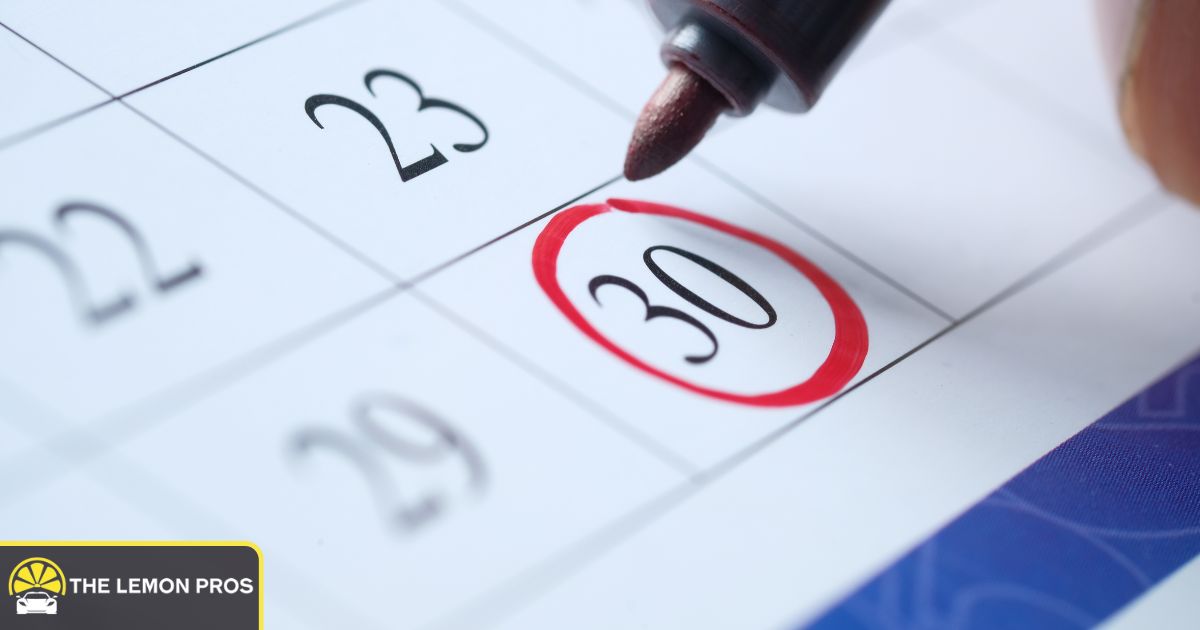
Yes, in California, the statute of limitations to file Lemon law cases is four years from the date the defect first occurred. Lemon laws apply if the defect first occurred within 18 months or 18,000 miles of taking ownership of the vehicle, but all the repair attempts do not need to be completed before these times. If you live outside of California, it’s important for you to research your state regulations, as laws vary.
If you have a defective car, it’s better to file sooner rather than later. Not only will this prevent the clock from running out on your claim, but it will also protect your rights.
Yes, in California, the statute of limitations to file Lemon law cases is four years from the date the defect first occurred. Lemon laws apply if the defect first occurred within 18 months or 18,000 miles of taking ownership of the vehicle, but all the repair attempts do not need to be completed before these times.
If you live outside of California, it's important for you to research your state regulations, as laws vary. If you have a defective car, it's better to file sooner rather than later. Not only will this prevent the clock from running out on your claim, but it will also protect your rights.
What Common Mistakes Can Hurt a Jeep Buyback Claim?
Many Jeep owners unintentionally weaken their lemon law claims by waiting too long to report defects or failing to document repair visits properly. One of the biggest mistakes is leaving the dealership without obtaining a written repair order describing the exact issue reported.
Another common problem occurs when owners stop bringing the vehicle in for repairs because they become frustrated with repeated failures. In many cases, continued repair attempts are necessary to prove the manufacturer had a reasonable opportunity to fix the defect. We also recommend avoiding verbal-only communication whenever possible. Emails, invoices, and written dealership notes create a much stronger record if the claim later becomes disputed.
Need a Lemon Law Lawyer for Your Defective Jeep?
Unlike many general lemon law guides, this article focuses specifically on recurring Jeep defects, manufacturer buyback procedures, and the real-world issues commonly reported by Jeep owners. We also explain how California lemon law rules apply in practice, including repair attempt requirements, reimbursement categories, and common manufacturer defenses consumers may encounter.
For great advice, you want a qualified lemon law attorney on your side, such as The Lemon Pros. Our team of Lemon Law attorneys in California focuses exclusively on California Lemon Law cases and has helped drivers pursue claims, total loss disputes, and manufacturer buybacks. Contact us today for a free case evaluation to discuss your options at no cost.
Frequently Asked Questions
Below are direct answers to some of the most common questions people ask concerning the Jeep buyback program requirements.
What Are the Unspoken Jeep Rules?
Many Jeep owners follow traditions and community habits that are not official rules but are widely recognized within Jeep culture. These include waving at other Jeep drivers, customizing vehicles for off-road use, and participating in Jeep events or trail rides.
Does Jeep Have a Buyback Program?
Jeep does not advertise a standalone public buyback program in the same way consumers might expect, but qualifying owners may receive a buyback through lemon law claims or manufacturer dispute programs. Vehicles with repeated unresolved defects may qualify for a refund, replacement, or cash settlement, depending on state laws and repair history.
Is White a Good Color for a Jeep?
White is a popular Jeep color because it hides dust, scratches, and light dirt better than darker colors, especially for off-road driving. Many buyers also like white because it stays cooler in hot weather and gives Jeeps a clean, rugged appearance.
What Year of Jeep Vehicles Should Consumers Avoid?
Some consumers and automotive reviewers often mention certain older model years, such as early 2014–2015 Jeep Cherokee models, because of transmission and electrical complaints. Buyers should always research recalls, owner complaints, and reliability ratings for the exact model and year before purchasing any used Jeep.
How Do I Contact the Jeep Buyback Program?
Consumers usually begin the buyback process by contacting Jeep customer care or the dealership handling the repairs. Many owners also work with lemon law attorneys or submit claims through manufacturer dispute resolution programs when repeated repair attempts fail.
Legal Disclaimer: The information above describes general patterns and is not legal advice for your specific situation. Past results do not guarantee future outcomes. Lemon law remedies and the qualifying criteria vary by state. Reading this article does not create an attorney-client relationship. Consult a licensed attorney to evaluate the facts of your case.