

How Does Lemon Law Work?
California Lemon Law protects consumers from vehicles that have unrepairable defects while under the factory warranty. Lemon law applies to some new, pre-owned and certified used cars (bought or leased vehicles) that meet specific criteria. Without this consumer protection, drivers would be stuck with cars that don’t function as they should.
Instead, consumers can earn compensation for the vehicle defects they face, but it’s essential to know the laws and regulations. To ensure a higher payout than the average Lemon law settlement in California, you want to be prepared. It’s essential to be well-organized for the best outcome.
With the consumer protection laws and buyers rights available to you, it’s time to contact Lemon Law Lawyers to represent your case. Because our team understands the laws and regulations, we’ve secured compensation for thousands of other clients in California and will fight for you just as hard. Enjoy a free Lemon Law Consultation to see what you are owed.
To guide you through the process, we discuss what types of vehicles qualify as a lemon and discuss the agencies in charge of enforcement. We also look at your consumer rights, discuss the process of filing a Lemon law claim, and examine what most Lemon laws have in common.
Table Of Contents
What Qualifies as a Lemon?

A lemon vehicle is a new or used car with significant defects or mechanical issues that substantially impair its safety, value or utility, despite repeated attempts to repair them under the written warranty. Issues must first present themselves within 18 months of taking delivery of the vehicle or within 18,000 miles, whichever comes first. California Lemon Law provides consumers with legal recourse, through a refund or replacement, if the vehicle meets the criteria for being deemed a lemon.
The types of problems covered by Lemon law encompass many areas. There are the standard mechanical defects one would expect, such as a dead motor, slipping transmission and defective power steering. Most people don’t realize that minor problems are also covered if they affect the vehicle’s safety, value or use. Therefore, air conditioning malfunctions, electrical system issues and corrosion can also be covered.
The Song-Beverly Consumer Warranty Act, also known as California Lemon Law, states that there must be some unsuccessful attempted repairs on the vehicle for it to be considered a lemon. In most cases, the reasonable number of attempts include the following:
- Two or more for safety issues that could lead to death or serious injury
- Four or more for the same non-safety issue, totaling no more than thirty days total
According to the Lemon law rules in California, the dealership can hold your car for repair for 30 days, but after that, it’s going to qualify as a lemon. The thirty-day timeframe isn’t for one visit but the cumulative time that the car has been in the repair shop for the same issue.
If you believe your car qualifies for compensation, don't hesitate to contact a Lemon lawyer in California. California has some of the best Lemon law protections, along with New Jersey, Massachusetts, Connecticut and Wisconsin. On the other hand, Arkansas, Mississippi, Wyoming, South Dakota and Alabama are often criticized for the lack of consumer protection. Some states only offer recourse for new vehicles, while others need more repair attempts or time before considering the vehicle a lemon.
How Does Lemon Law Work in California?

In California, new and used cars are covered by Lemon law protection. After a reasonable number of repair attempts, a replacement vehicle or compensation may be due to you if the dealer or manufacturer can't fix the car.
We’ve already touched heavily on how California Lemon law works, but how does it compare to federal protections? Both have regulations for consumers who purchase or lease a defective vehicle, but the two have varying provisions. The federal law is known as the Magnuson-Moss Warranty Act and it specifies the following:
Coverage: Federal law doesn’t specifically address lemons, but there is protection for warranty enforcement and dispute regulation. Manufacturers can be forced to honor the dealer warranty and provide remedies for consumers when the product fails to meet the vehicle’s warranty terms.
Dispute resolution: Both regulations encourage vehicle manufacturers to resolve issues with informal dispute options, normally through arbitration by a neutral third party.
Attorney’s fees: Both regulations allow the consumer to recover all attorneys’ fees and other costs from the manufacturer if they violate the warranty or obligations from related service contracts.
While there’s no set timeframe through the federal guidelines, the California Lemon law time limit specifies that the issue must arise within the first 18 months of vehicle possession or 18,000 miles. If the vehicle meets that qualification and the others regarding the defect and number of repairs, you can proceed with the Lemon law process.
Whether the car is new or used, it must also be covered by a manufacturer’s warranty or extended protection (service contract). The manufacturer’s warranty is the protection plan provided when the vehicle is new, typically lasting around four to five years. Extended car warranties in California start once the manufacturer’s coverage expires and can vary in length.
With the help of a Lemon lawyer, you don’t have to worry about every tiny detail in the regulations. A Lemon law attorney can navigate the process for you, reducing the stress on your shoulders.
What Is the Purpose of California Lemon Law?

California enforces Lemon laws to ensure consumers aren’t driving around in defective, potentially unsafe vehicles. The laws hold the manufacturer and the car dealer accountable for the vehicles purchased. Aside from Lemon laws, there are other reasons to sue a car dealership through the court system, including a breach of contract, fraud, negligence and warranty disputes. An experienced attorney helps you determine which course of action to take for maximum compensation.
How Is Lemon Law Enforced?
Several agencies and organizations provide guidance and help with Lemon law disputes. Here are a few you should know about.
California Department of Consumer Affairs (DCA): The DCA oversees consumer protection programs and resources while providing information on consumer rights.
California Department of Motor Vehicles (DMV): The California Department of Motor Vehicles is for more than titling your car and providing vehicle registration. While the DMV isn’t going to handle any Lemon law cases directly, the organization does protect consumers with resources and information that can be relevant to a Lemon law dispute.
California Attorney General’s Office: The state’s attorney general enforces consumer protection laws and will intervene if a manufacturer has violated rights. Consumers can file complaints directly with the Attorney General’s Office.
Better Business Bureau (BBB): The BBB provides consumer advocacy, business accreditation and dispute resolution services. Consumers file complaints with the BBB regarding Lemon law issues, allowing for possible mediation and resolution between the consumers and manufacturers.
Private Lemon Law Attorneys: Private attorneys specializing in Lemon law cases offer legal advice, representation and advocacy during the Lemon law claims process. Services include negotiation, arbitration or litigation when necessary.
Consumer Rights and Protections in the Lemon Law Process

While it may feel like you are being victimized by the manufacturers when you have a lemon car, it’s important to remember that you have rights. If there have been a reasonable number of repair attempts and your vehicle qualifies under the other guidelines, you may be due a refund or replacement vehicle. With a Lemon law buyback, we can have the manufacturer take the defective vehicle back and compensate you for your loss.
Aside from the standard compensation, you may also be due other fees. Any sales tax, registration costs and miscellaneous expenses may also be included. The best part is that the manufacturer is responsible for paying your legal costs if you win, leaving you to pay nothing out of pocket.
What Not To Do if Your Car Is a Lemon
While Lemon law protection is available for new and used vehicles under California law, most manufacturers aren’t going to concede easily. They are more concerned with their own financial well-being and protecting their reputation. Manufacturers may also incentivize dealerships to contest claims or provide minimal compensation to protect their own interests. For these reasons, it’s important to have solid legal representation before you file a Lemon law case. When the manufacturer or dealership sees that an experienced attorney is handling the case, they are more likely to negotiate and avoid a drawn-out court case.
During the process, there are several ways to ensure everything runs smoothly. For starters, you want to carefully document all of the communication with the authorized dealer and manufacturer. Every time your vehicle goes in for repair, you should have a work order with the advisor’s name and the outcome. Following that, the demand letter sent to the manufacturer must be well-crafted and professional if you hope to get results. Not documenting the process and failing to send the demand letter are the top mistakes that consumers make.
If you aren't very careful, you could make a small mistake that the dealership or manufacturer will capitalize on. They are looking for a way to get out of paying the claim, so you need to be careful.
The Process of Filing a Lemon Law Claim
If you have a lemon vehicle, it’s best to file the claim immediately. A qualified attorney can explain the differences between Lemon law for used cars in California and Lemon law for new cars in California, giving you the steps necessary in your situation. A lawyer looks over the documented issues you’ve recorded, helps you notify the manufacturer or dealer and starts the arbitration process to negotiate a payout. Attorneys also provide a list of the documents needed, including the lease or purchase contract, warranty paperwork, record of the repair attempts and communication with the manufacturer or dealer.
California Lemon Law Qualifications

California Lemon law covers cars with substantial and unrepairable defects that are still covered by warranty. However, there is legal recourse for drivers with problems beyond the Lemon laws’ scope. If there’s been any fraud, misrepresentation, breach of contract or consumer protection violations, you may be looking at one of the reasons to sue a car dealership in California.
Here are some generalized guidelines as to what car qualifies for California Lemon laws:
- The vehicle must have a substantial defect that’s covered under the manufacturer’s warranty.
- The substantial defect must inhibit the vehicle’s use, safety or value.
- This defect surfaced during the first 18,000 miles or 18 months of taking possession of the vehicle, whichever comes first.
- An authorized repair facility has attempted to repair the issue (typically with a minimum of four attempts) and cannot find a resolution.
New or used vehicles both qualify for Lemon law under certain conditions. For a used car to be included, it must also have warranty coverage provided by the manufacturer or through the dealership where the car was purchased. Either a Certified Pre-Owned warranty or extended warranty coverage may be provided. Used cars purchased through private party sales are not covered.
How Does a Car Qualify for Lemon Law? New vs Used Cars
In California, there are Lemon laws for both new and used cars, although the qualifications vary.
How Can a New Car Qualify for Lemon Law in California?
Lemon law for new cars in California dictates that multiple attempts must be made to repair the vehicle's defect during the warranty period, although the number of attempts varies based on the severity of the issue. A new car qualifies as a lemon because of the manufacturer’s warranty, which is different from the extended car warranties in California that kick in once the initial protection ends. However, the issue must occur within the first 18,000 miles or 18 months of taking possession of the vehicle.
Lemon vehicles can be purchased back by the manufacturer, you can be given a replacement, or there could be monetary compensation offered, and you keep the vehicle. The Lemon law buyback requires you to return the vehicle. You are given money for the purchase price of the defective vehicle minus the time you drove it. California covers other fees associated with the purchase or lease, including the sales tax and dealership fees. In some cases, the manufacturer must also pay for your attorney when you are filing a California Lemon law new car claim.
How Can a Used Car Qualify for Lemon Law in California?
Lemon law for used cars in California requires that the vehicles be covered by the dealership’s extended warranties. A certified used car may still be covered through the factory warranty, but a used vehicle sold by a third party isn’t going to fall under Lemon law coverage.
Since 2013, all “Buy Here, Pay Here” dealers must offer a 30-day/1,000-mile warranty for pre-owned vehicles. In some cases, the dealerships that don’t handle the financing offer even better warranties, especially if the car has been reconditioned, making it easier to qualify for the used car Lemon law in California. Similarly to the new car Lemon law cases, there must be a significant defect that substantially impairs its use, value, or safety, which cannot be repaired in a reasonable timeframe, for it to qualify under California Lemon law used car protections.
Used lemon vehicles may also be bought back by the dealer. There’s also the option to receive another vehicle with a similar purchase price or value in exchange for the defective model. Otherwise, you can take a payout from the dealer with the agreement that you will keep the vehicle.
What Defects Fall Under California Lemon Law?
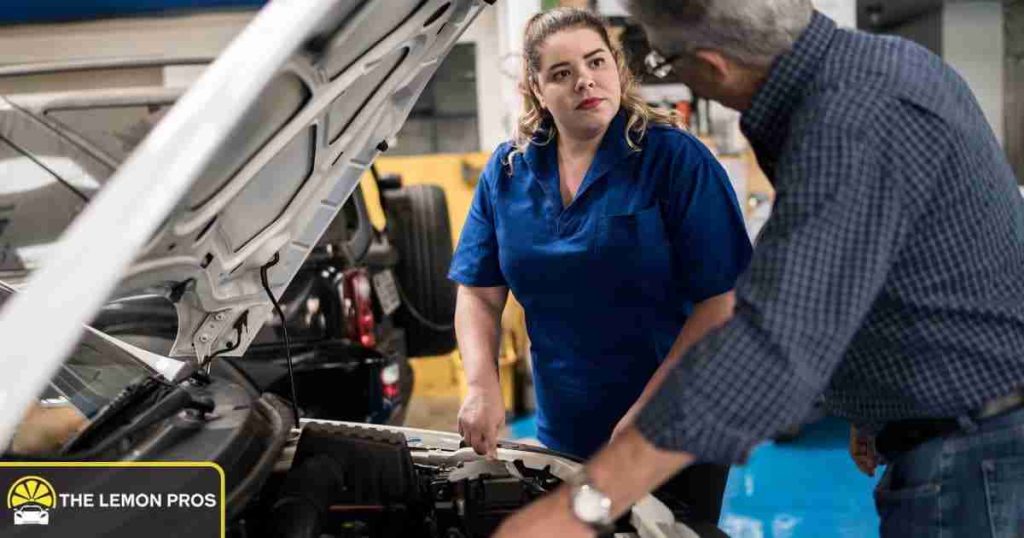
Not all problems qualify for a Lemon law claim, but because the regulations state that any defect affecting the value, use, or safety is included, there’s a long list of the types of problems covered by lemon law. Major issues, such as engine failure and transmission slippage, would be included, but so would smaller concerns, such as a failing air conditioning system or trouble with the power locks.
There’s also a distinction between safety and non-safety-related concerns, although both can be covered. If serious injury could occur as a result of the defect, the vehicle only needs to be at an authorized repair shop two times instead of the standard four.
What Is a Reasonable Number of Repair Attempts?
Under California's Lemon law rules, to meet Lemon law qualifications, the automobile manufacturer must have attempted to repair the defects at a qualified shop. In most cases, the car manufacturer has four attempts to get the issue repaired. These repairs should occur through the car warranty.
As previously discussed, when a safety issue is present, there only needs to be two repair attempts made for Lemon law disputes to occur. This reduced stipulation is meant to protect consumers from injury.
In either case, dealers aren’t entitled to keep your vehicle for as long as they want. The dealership can hold your car for repair for 30 days. This thirty-day guideline includes every attempt. Therefore, if your new car was in the shop the first time for 20 days and the second for 15 days, there don’t need to be two more attempts. Your vehicle would qualify for the car Lemon law in California.
California Lemon Law Requirements Checklist
Interactive checklist (saved in your browser)