

Lemon Car Meaning
The term lemon car refers to a vehicle with serious defects that affect its performance, safety, or value, even after repeated repair attempts. It comes from the idea of a lemon as something disappointing or flawed, which fits cars that don’t work as expected. The phrase has been used in the automotive world since at least the 1960s, possibly earlier, to describe persistently faulty vehicles. The California lemon law helps protect consumers by providing compensation when a new or covered vehicle cannot be properly repaired.
The Lemon Pros are experts in navigating the Lemon Law and defective vehicles. Since our practice area focuses on lemon vehicles, we have secured compensation for thousands of happy clients. Contact us today to get a free consultation about your defective vehicle!
This guide explains California lemon laws, how they protect consumers, and why the term lemon is used to describe defective vehicles.
Table Of Contents
- What Is a Lemon Car?
- What Are the Common Signs of a Lemon Car?
- How Do Lemon Laws Work Across the United States?
- Key Lemon Law Criteria by State
- Why Is It Called a Lemon Car?
- What Are California Lemon Laws?
- How to Identify a Lemon Vehicle?
- The 4-Step Lemon Law Evaluation Process
- What Are the Potential Outcomes of a Lemon Law Case?
- What Is the Duration of the Lemon Law Process in California?
- How to Avoid Buying a Lemon Vehicle in the Car Market?
- Want to Start a Lemon Law Case in California?
- Frequently Asked Questions
What Is a Lemon Car?

A lemon car is a motor vehicle with serious and persistent vehicle defects that substantially impair its safety, value, or everyday use. These defects in a lemon car must persist even after repeated repair attempts by the manufacturer or authorized dealership. Under federal law, a vehicle may qualify as a lemon when the vehicle manufacturer has been given a reasonable opportunity and a reasonable number of chances to fix the same issue, but the problem continues.
Common issues that can classify a car as a lemon include recurring electrical problems, faulty brakes, transmission failure, engine stalling, and engine malfunctions. A vehicle is typically considered a lemon if it has undergone multiple repair attempts for the same issue or remains out of service for a certain number of days, whichever standard applies under state law. Lemon laws generally apply to cars, trucks, motorcycles, motor homes, and some other auto vehicles covered by a manufacturer’s warranty or extended service contract.
Lemon laws mandate that manufacturers provide compensation through a refund of the purchase price, a replacement vehicle, or a cash settlement when significant defects cannot be repaired. Many states also require a lemon title or Lemon Law Buyback title before the vehicle can be offered for sale again, helping future buyers be more careful.
The Magnuson-Moss Warranty Act of 1975 provides additional consumer protections for warrantied vehicles and works alongside state lemon laws. All 50 states have laws protecting owners of defective vehicles, although filing deadlines and requirements vary by department and state. If a dispute cannot be resolved, owners may pursue arbitration or legal action after giving the manufacturer reasonable notice and a fair chance to repair the defect.
What Are the Common Signs of a Lemon Car?
One of the biggest warning signs of a lemon car is repeated breakdowns involving the same problem, even after the vehicle has been repaired multiple times. Common examples include engine stalling, faulty brakes, transmission failure, recurring electrical shorts, or other substantial defects that affect the vehicle's safety, reliability, or personal use. In some cases, the car may become unsafe to drive or increase the risk of an accident.
Another major sign is when the vehicle spends an excessive amount of time in the repair shop. A vehicle is typically deemed a lemon if it has been in the shop for repairs 3–4 times for the same issue or is out of service for a significant period, often between 15 and 30 days, depending on state law. If the issue keeps returning or the vehicle was poorly repaired, the owner may have grounds for a lemon law claim.
All 50 U.S. states have laws protecting buyers of new lemon vehicles, although the exact standards and deadlines vary by state. In Texas, for example, a lemon law complaint must be filed within six months following the earlier of the last repair attempt or the date the defect was first reported. Whether the law applies often depends on the severity of the defect, the number of repair attempts, and whether the manufacturer had a fair chance to fix the problem.
Lemon laws mandate that manufacturers provide a refund or replacement for a lemon car under specific conditions. Mandatory compensation may include a full refund, a comparable replacement vehicle, or a cash settlement for diminished value. The Magnuson-Moss Warranty Act also provides additional protection for consumers dealing with ongoing warranty-related vehicle problems.
How Do Lemon Laws Work Across the United States?
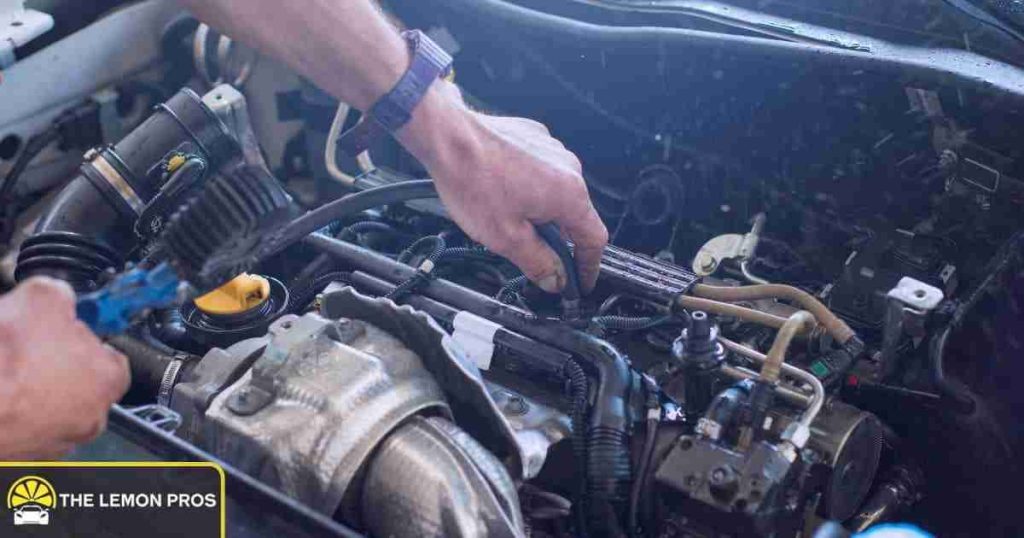
Lemon laws are consumer protection laws designed to help vehicle owners when a new or used car has serious defects that the manufacturer cannot fix within a reasonable number of repair attempts. These laws generally require manufacturers to repair, replace, or refund vehicles with major problems that substantially impair the car’s safety, value, or use. While all 50 states have some form of lemon law protection, the specific rules, deadlines, and qualifications vary from state to state.
Some of the most commonly searched lemon law states include Texas, Florida, California, and Illinois because each has its own standards for what qualifies as a lemon vehicle. California is known for having some of the strongest consumer protections, while Texas has strict filing deadlines that require consumers to act quickly. Florida and Illinois also provide important remedies for drivers dealing with repeated vehicle defects, though the exact repair thresholds and coverage periods differ.
In most states, a vehicle may qualify as a lemon if it has been repaired multiple times for the same issue or has spent a significant number of days out of service. However, the number of repair attempts required and the types of vehicles covered can change depending on where the owner lives. Some states also extend protections to used vehicles, leased vehicles, motorcycles, or motor homes, while others focus mainly on new passenger vehicles still covered under the manufacturer’s warranty.
Since lemon law protections are not identical nationwide, we always advise consumers to review their state’s specific requirements before filing a claim. A clear grasp of these differences can help vehicle owners determine whether they qualify for compensation, a replacement vehicle, or a refund under their state’s lemon law.
Not every recurring vehicle issue automatically qualifies as a lemon. Some problems may be resolved through normal warranty repairs, recalls, or software updates. However, when defects persist despite multiple repair attempts, lemon law protections may become applicable depending on state requirements and documentation.
Key Lemon Law Criteria by State
Lemon law requirements can vary significantly depending on the state where the vehicle was purchased or registered. While most states follow similar principles, the number of repair attempts, time out of service, and types of vehicles covered are not always the same. The table below highlights some of the key lemon law criteria in Texas, Florida, California, Illinois, and across the United States generally.
| State | Number of Repair Attempts | Days Out of Service | Covered Vehicles |
|---|---|---|---|
| Texas | Typically, 4 repair attempts for the same issue within 24 months/24,000 miles, or 2 attempts for serious safety defects | About 30 cumulative days | New vehicles, leased vehicles, demonstrator vehicles, and motor homes |
| Florida | Usually 3 repair attempts for the same defect | 15 or more cumulative days out of service | New and demonstrator vehicles primarily used for personal or family purposes. |
| California | Generally, 2–4 repair attempts, depending on the severity of the defect | More than 30 cumulative days | New and used vehicles under the manufacturer’s warranty, leased vehicles, and some motor homes |
| Illinois | Typically, 4 repair attempts for the same defect | 30 or more business days | New passenger vehicles, light trucks, and some leased vehicles |
| General U.S. Overview | Commonly, 3–4 repair attempts for the same issue | Usually 15–30 days out of service | Cars, trucks, SUVs, motorcycles, and, in some states, motor homes or leased vehicles |
Why Is It Called a Lemon Car?
When talking about lemons, any online etymology dictionary is going to give you the definition related to the fruit, as they have been around long before cars. Lemons are typically associated with leaving a sour taste, with them undesirable to some because of that.
It wasn't until the 1960s that we had documentation of the word lemon being used to discuss a defective product. It quickly gained traction as a slang term among journalists and consumers, giving some car models a bad reputation because of defects. As laws started being implemented in the 1970s for these defective vehicles, the slang words grew even more popular.
While some suggest that the term originated from the Yiddish word “lemn,” carrying the meaning of something being worthless, there's no proof of this theory. Today, the term can occasionally be heard in British slang, but it is much more popular in American English slang. As Michael Saeedian, founding attorney of The Lemon Pros, often notes, “A lemon is not just a bad car. It is a vehicle that the manufacturer has been given a fair chance to repair, but still fails to meet basic standards of safety and reliability.”
However, the slang word goes beyond the car world and can be used to define any product that doesn't work properly. It has been used to define certain brands of DVD players, smartphones, laptops, appliances, and sporting goods. The word lemon simply conveys that an item sold to consumers didn't perform as expected.
How Lemons Became Associated with Cars
The first mainstream mention of lemon occurred in a 1966 Los Angeles Times article written by David E. Davis Jr. He was referring to a defective car, pointing out various consumer frustrations with a few models. This article may be the first recognized popularization of the term in relation to automobiles.
Over the next couple of decades, several vehicles earned the nickname of being a lemon. One of the most notable is the 1971 Ford Pinto. It was infamous for a bad fuel tank design, leading to explosions after rear-end collisions. Many lawsuits were filed in relation to the Pinto flaws, further damaging Ford's reputation and leading to more consumer protection.
Ford wasn't the only manufacturer to face incredible consumer backlash because of a defective car. Chevy also faced trouble with the Vega, known for serious rust complaints and a poor build. Chrysler also fell in the line of fire with the K-Car because of its poor reliability.
Sadly, the rise of lemon cars has only gotten worse in the modern age. New cars are pushed through assembly lines at alarming rates, and there's little regard for quality control. The same lines manufacture multiple vehicles, making it even more difficult for automakers to know what's going on. In addition, dealerships continue to mislead consumers and run misleading ads that only accentuate the problems.
What Are California Lemon Laws?

California Lemon laws are laws designed for consumer protection. While the Magnuson-Moss Warranty Act allows for federal protection, it is the Song-Beverly Consumer Warranty Act that is critical when dealing with a bad car in California. A lemon car is defined as a vehicle with warrantied defects that cannot be repaired in a reasonable time. For a new vehicle to be deemed a lemon, it must fall under the following criteria:
- The car contains a factory warranty that covers the defect.
- Its defect was first reported within 18,000 miles or 18 months of taking ownership of the vehicle.
- The substantial defect must affect the value, use, or safety of the vehicle.
- With serious safety issues, the repair shop must have attempted to fix the defect at least twice, while other issues require a minimum of four unsuccessful repair attempts (as long as they fall within 30 days total).
There are also some protections for used vehicles, although the regulations are different, and the car must be purchased from an authorized dealership. According to the National Highway Traffic Safety Administration (NHTSA), more than 2 million consumer complaints have been submitted regarding potential vehicle defects. These reports help identify recurring safety issues involving engines, electrical systems, brakes, and steering components, which can ultimately lead to federal investigations and manufacturer recalls.
Wondering how the Lemon Law works? If your car qualifies as a lemon, you may be due compensation or a new vehicle. First, you would need to contact the manufacturer and dealer, letting them know of the complaint. They have the opportunity to make it right before you file a claim. If not, a Lemon law case is started with the documentation you have, and the manufacturer can provide arbitration to work out the details. If that's not satisfactory, you may need to go to court for further compensation.
How to Identify a Lemon Vehicle?
An automobile with significant unrepairable defects may be considered a lemon. It will continue to suffer from the same problems, even after service. Since Lemon laws consist of defects that affect safety, value, or use, there are so many examples of what would qualify. One example would be persistent engine performance problems with an oil leak, but there's also room in that definition for a malfunctioning air conditioning system. Corrosion or structural issues are also a concern, as are defective safety systems, such as a failing airbag.
As we've stated earlier, there is some room for coverage for used cars, but the majority of the laws describe new vehicles. For a used car to qualify, it would need to have been purchased from a dealership and come with warranty coverage.
A case we handled involved a new SUV that repeatedly experienced engine stalling despite five separate repair attempts at an authorized dealership. Even after multiple diagnostics, replacement of fuel system components, and software updates, the issue kept returning and made the vehicle unsafe to drive at highway speeds. The owner brought the matter to us after losing confidence in the vehicle’s reliability and safety. Based on the continued defect after a reasonable number of repair attempts, the vehicle ultimately qualified for lemon law protection.
What to Do if You Suspect You Have a Lemon Car?
You must know what to do if your car is a lemon. Time is of the essence if you expect a new vehicle or any compensation. For starters, we advise that you document everything surrounding a potential case. This means that you need the original purchase or lease agreement, warranty paperwork, and any documentation of the issues. You should promptly make an appointment with the authorized repair facility to have the issue resolved. If there's no resolution, write down the name of everyone you spoke with, the date of the appointment, and the outcome.
You can continue to follow up with the manufacturer and dealer to see if there's a resolution in the future. During that time, you also want to speak with a qualified lemon law attorney who can help you understand your rights. If need be, they can get involved in the case and try to have it resolved before a claim is filed. You may also need a third-party inspection of the car to verify the issues. A lawyer will be able to direct your steps in this matter and tell you if it is going to benefit you.
Once all of the required repair attempts have been completed, it is time to send a demand letter to the manufacturer and dealer. A lawyer can draft this document for you to ensure nothing falls through the cracks. The Lemon Pros specialize in getting compensation for drivers of defective cars. We've secured millions of dollars for our clients, and the manufacturers know we mean business. Schedule your free consultation with us today.
In many cases we have handled, consumers wait too long before escalating their claim, which can weaken documentation and delay compensation. We have found that early recordkeeping and consistent repair documentation significantly improve case outcomes and help establish a clear pattern of recurring defects.
The 4-Step Lemon Law Evaluation Process

When a vehicle repeatedly develops the same issues, we follow a structured approach to determine whether it may qualify for lemon law protection. This process helps you assess the severity of the defect, build a strong record, and take the right next steps toward resolving the issue.
First, determine whether the defect significantly affects the vehicle’s safety, value, or normal use, since lemon laws typically apply only to substantial issues. Next, we advise that you carefully document every repair attempt, including dates, mileage, service records, and repair orders, to establish a clear history of the problem.
Then, assess whether the vehicle meets your state’s threshold for a lemon law claim, such as multiple repair attempts for the same issue or extended time out of service. Finally, if the issue remains unresolved, escalate the matter by notifying the manufacturer and pursuing arbitration or legal action to seek compensation or a replacement vehicle.
What Are the Potential Outcomes of a Lemon Law Case?
Each lemon law outcome has trade-offs. A refund provides the strongest financial reset but requires returning the vehicle. A replacement vehicle allows continued ownership but may involve adjusting to a different model. Monetary settlements let you keep the car but may not fully cover long-term reliability concerns, especially if defects resurface later. If your lemon claim can be proven, several outcomes may occur:
- Replacement vehicle: The manufacturer will replace your vehicle with another that's similar and of equal value. This replacement will not have the same defects as the one being replaced.
- Refund: The manufacturer can offer to buy back the vehicle, known as a lemon law buyback. You would need to turn the vehicle back into the dealership, and you would receive compensation in return. The compensation would take into account any payments you've made, additional costs you've incurred, and how many miles you drove before the problem surfaced. You can use our lemon law buyback calculator to estimate the amount you would get back.
- Compensation for repairs: If you needed to pay for the repairs that should have been covered by the warranty, the manufacturer may be responsible for reimbursing you. Additionally, the manufacturer can ask you for some additional time to repair the car. The warranty may be extended to ensure the issue is worked out.
- Monetary compensation to keep the car: Sometimes, you may be offered money to keep the vehicle. If the problem is insignificant, this may be a good option, but you may lose all rights to file a claim later.
- There's also the chance that your claim could be denied. If there isn't enough evidence to support your claims, there may be nothing further that can be done between you and the manufacturer. A qualified lawyer would be able to anticipate this and warn you upfront.
What Is the Duration of the Lemon Law Process in California?
The lemon law process can take a couple of months or longer, depending on how complicated the situation is. If you are a person who's willing to negotiate with the manufacturer and take a quick settlement, you may not have as long a process as the driver who wants to force a court case.
It is important to be aware that a good lemon law attorney is going to help you make the best decision possible, knowing all the details of your case. While you can make your own decisions, it is wise to listen to those who have experience, especially if you want the largest payout possible.
How to Avoid Buying a Lemon Vehicle in the Car Market?
Before you go shopping, you should know how to avoid buying a lemon car and prevent any issues from the get-go. To begin with, in our opinion, it is important to buy from a reputable dealership. It is great when a friend tries to refer you to a dealership, but you should always back up that experience from one's mouth by looking at all of the online reviews to ensure you found a good one.
Another valuable step is to do your research about the car you want to buy. Check the vehicle history report to ensure a used vehicle was well taken care of. You may also be able to see the last time that the car was maintained. If the car does not pass inspections or has not had a lot of maintenance, it may not be the right vehicle for you.
To avoid being stuck with a lemon, you should also read some online reports about the particular make, model, and year you are looking at. It is a good idea to research and see if others are having the same types of problems before you decide to go with that brand or model.
Before purchasing a vehicle, we advise that you always request a complete service history and review any repeated repairs for the same issue. Make sure to test drive the vehicle under different conditions, including highway speeds, to identify hidden performance issues. We also recommend checking for recall history and confirming that all manufacturer recalls have been properly completed.
Want to Start a Lemon Law Case in California?
Unlike general legal resources, The Lemon Pros focus specifically on defective vehicle claims and manufacturer disputes. This specialization allows for a deeper understanding of state-specific lemon laws, warranty structures, and arbitration strategies, giving consumers a more targeted approach to pursuing compensation.
For great advice, you want a qualified lemon law attorney on your side, such as The Lemon Pros. Our team of Lemon Law attorneys in California focuses exclusively on California Lemon Law cases and has helped drivers pursue claims, total loss disputes, and manufacturer buybacks. Contact us today for a free case evaluation to discuss your options at no cost.
Frequently Asked Questions
Below are direct answers to some of the most common questions asked concerning lemon cars.
Why Do They Call It a Lemon Car?
The term lemon car comes from the long-standing use of the word lemon to describe something defective, disappointing, or poor in quality. In the auto industry, it refers to a vehicle with serious recurring problems that cannot be properly repaired.
What Does Lemon Mean on a Car?
A lemon on a car means the vehicle has significant defects that affect its safety, value, or reliability. These problems continue even after multiple repair attempts by the manufacturer or dealership.
What Is Texas Lemon Law?
Texas Lemon Law is a consumer protection law that helps vehicle owners when a manufacturer cannot repair a serious defect within a reasonable number of attempts. Qualifying consumers may receive a refund, replacement vehicle, or other compensation if the vehicle meets the state’s legal requirements.
What Are Common Signs of a Lemon Car?
Common signs of a lemon car include repeated breakdowns, recurring warning lights, engine problems, transmission issues, and frequent trips to the repair shop for the same issue. A vehicle may also qualify as a lemon if it spends an excessive number of days out of service due to repairs.
Legal Disclaimer: The information above describes general patterns and is not legal advice for your specific situation. Past results do not guarantee future outcomes. Reading this article does not create an attorney-client relationship. Consult a licensed attorney to evaluate the facts of your case.